Why Home inspections Are crucial Before Buying a Property
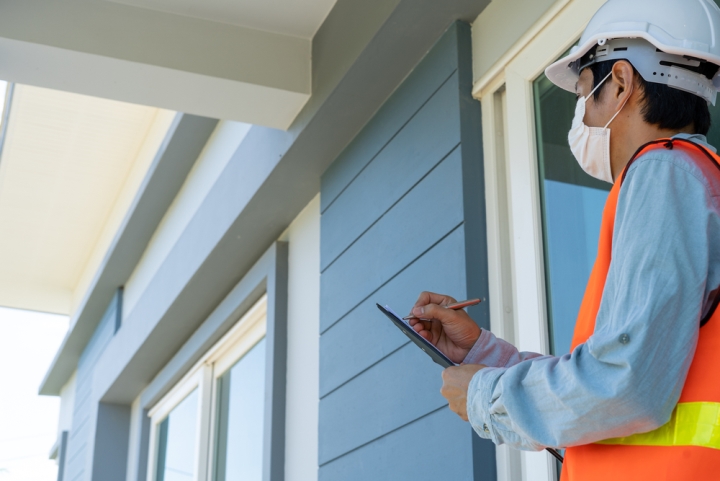
When purchasing a home, one of the most crucial steps in the process is the home inspection. This essential procedure can significantly impact your decision to buy a property and your future investment. Here’s a comprehensive guide Home Inspection to help you understand what a home inspection entails, why it’s important, and how to make the most of it.
What is a Home Inspection?
A home inspection is a thorough examination of a property’s condition conducted by a certified home inspector. This inspection evaluates the structural and mechanical components of the home, including the foundation, roof, plumbing, electrical systems, and more. The goal is to identify any existing or potential issues that could affect the home’s value or safety.
Why is a home Inspection Important?
Uncover Hidden Issues: Many problems in a home are not visible to the untrained eye. A professional inspector can identify hidden defects, such as electrical wiring issues, plumbing leaks, or structural problems, which could lead to costly repairs if not addressed.
Negotiation Leverage: If the inspection reveals significant issues, you may have the opportunity to negotiate with the seller. This could involve requesting repairs, asking for a reduction in the purchase price, or even deciding to walk away from the deal if the issues are too severe.
Peace of mind: Knowing the condition of the home before finalizing your purchase can provide peace of mind. It ensures that you are making an informed decision and are aware of any potential maintenance or repair needs.
What to Expect During a Home Inspection
Visual Examination: The inspector will perform a visual examination of the property, checking for any signs of damage, wear, or malfunction. This includes inspecting the exterior and interior of the home, as well as the roof and foundation.
Testing Systems: The inspector will test various systems in the home, such as the HVAC system, electrical wiring, and plumbing. They will check for proper operation and any signs of malfunction or wear.
Reporting: After the inspection, the inspector will provide a detailed report outlining their findings. This report will include descriptions of any issues discovered, along with recommendations for repairs or further evaluation by specialists.
How to Prepare for a home Inspection
Choose a Qualified Inspector: Research and select a certified and reputable home inspector. Look for reviews and ask for recommendations to ensure you’re hiring a professional with a solid track record.
Be present: If possible, attend the inspection. This allows you to ask questions and gain a better understanding of the inspector’s findings. It also provides an opportunity to learn more about the home’s maintenance needs.
Prepare the home: Make sure the inspector has access to all areas of the home, including the attic, basement, and any crawl spaces. Ensure that utilities are turned on and that there are no obstructions that might hinder the inspection.
Review the Report Carefully: Once you receive the inspection report, review it thoroughly. If you have any questions or concerns, discuss them with your real estate agent or the inspector. Understanding the report is crucial for making informed decisions.
Conclusion
A home inspection is a vital part of the home-buying process. It provides valuable insights into the condition of the property and helps you make informed decisions. By understanding what to expect and preparing adequately, you can ensure that the inspection process goes smoothly and that you are well-informed about your potential new home. Whether you’re buying your first home or your fifth, a thorough home inspection is an investment in your peace of mind and the long-term value of your property.