The ultimate Guide to Choosing the right Auto Glass for your Vehicle
When it comes to vehicle maintenance, auto glass is often overlooked until it becomes a problem. However, choosing the right auto glass Auto Glass in my area is crucial not just for the aesthetics of your vehicle but also for your safety. A well-selected and properly installed windshield or window glass can provide the necessary protection during accidents, prevent external elements from damaging the car interior, and maintain the structural integrity of your vehicle. This guide will help you navigate the complexities of selecting the best auto glass for your car.
- Understanding the Types of Auto Glass
Auto glass is categorized mainly into two types: laminated and tempered. Laminated glass, commonly used for windshields, is made by sandwiching a layer of plastic between two layers of glass. This construction ensures that, in the event of a break, the glass adheres to the plastic layer rather than shattering into sharp pieces. Tempered glass, used for side and rear windows, is designed to crumble into small, blunt pieces when broken, reducing the risk of injury. Understanding the differences between these types is the first step in making an informed choice. - The importance of OEM vs. Aftermarket Glass
Original Equipment Manufacturer (OEM) glass is made by the same manufacturers who produced the original glass installed in your vehicle. This glass is designed to meet the exact specifications of your car, ensuring a perfect fit and maintaining the integrity of the vehicle’s safety features. Aftermarket glass, on the other hand, is produced by third-party manufacturers and might not always match the exact specifications. While aftermarket options can be cheaper, they may compromise on quality, fit, and safety. It’s important to weigh the cost against potential risks when choosing between OEM and aftermarket glass. - Considerations for Windshield Features and Technology
Modern vehicles often come equipped with advanced driver-assistance systems (ADAS) that rely on sensors, cameras, and other technology integrated into the windshield. If your vehicle has these features, it’s crucial to choose auto glass that supports them. For example, some windshields have special coatings or acoustic layers to reduce noise and glare. Ensuring that your new windshield is compatible with these systems is essential, as improper glass can disrupt the functionality of ADAS, leading to safety hazards. - The Role of Professional Installation
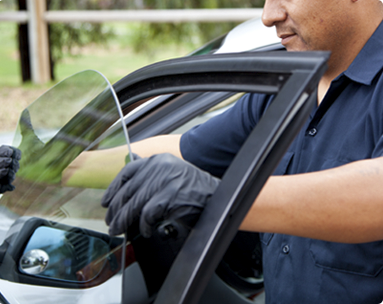
Even the highest-quality auto glass won’t perform as expected if it’s not installed correctly. Professional installation is vital to ensure that the glass is fitted properly, with no gaps or misalignments that could lead to leaks or weakened structural integrity. Certified technicians use specialized tools and techniques to handle the glass safely and adhere to the manufacturer’s specifications. Moreover, many warranties are voided if the glass is not installed by a professional, so it’s worth investing in expert services to guarantee the longevity and performance of your auto glass. - Evaluating Costs: Short-Term Savings vs. Long-Term Investment
When choosing auto glass, it’s tempting to opt for the least expensive option. However, cheaper glass often comes with hidden costs. Inferior quality glass might not offer the same level of durability or clarity as higher-end options, leading to more frequent replacements. Additionally, poorly manufactured glass can compromise your vehicle’s safety features, such as airbag deployment during a collision. Consider your auto glass purchase as a long-term investment in your vehicle’s safety and performance, rather than merely a cost-saving measure. - Environmental Impact and Disposal
Another factor to consider is the environmental impact of your auto glass choice. Some manufacturers offer eco-friendly options made from recycled materials or glass that can be easily recycled after its life cycle. Additionally, proper disposal of old auto glass is important to minimize environmental harm. When replacing your auto glass, inquire about recycling programs or disposal methods that adhere to environmental regulations. This not only helps the environment but also reflects responsible ownership. - Making the final Decision
Choosing the right auto glass for your vehicle involves balancing various factors: type, quality, compatibility with modern features, installation, cost, and environmental impact. By thoroughly understanding your options and considering both short-term and long-term implications, you can make an informed decision that enhances your vehicle’s safety, functionality, and value. Remember, auto glass is more than just a window to the outside world; it’s a critical component of your vehicle’s safety and performance. Make your choice wisely, and ensure your vehicle remains in top condition for years to come.
This comprehensive guide should help you navigate the complex decisions involved in selecting the right auto glass for your vehicle. Taking the time to understand your options will ensure that you choose a product that offers the best protection, longevity, and value.
