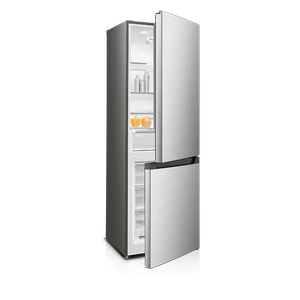
How Side-by-Side Refrigerators Make Large Storage Easier to Manage
Large-capacity refrigeration changes the way food can be stored, accessed, and organized. Instead of relying on one broad compartment, side-by-side designs divide chilled and frozen areas vertically, giving each side a distinct role within the kitchen. This arrangement has become increasingly relevant to China refrigerator manufacturing as appliance developers respond to households that value generous storage without giving up convenient access. Alongside these market developments, Homa Appliances offers side-by-side refrigeration within a wider cooling portfolio, reflecting the demand for flexible configurations in international kitchens.

Why Side-By-Side Layouts Feel Different
The most noticeable feature of this refrigerator format is its vertical division. Refrigerated food stays on one side while frozen items occupy the other, so users can reach either section without opening a large full-width door.
Such an arrangement can make storage easier to categorize. Fresh ingredients, dairy products, drinks, and prepared meals may remain within the chilled compartment, while meat, frozen vegetables, and other long-term foods can be grouped separately.
Door storage also becomes useful in this configuration. Narrower shelves positioned along the doors can hold bottles, jars, sauces, or smaller packages, leaving the main shelves available for larger containers.
Making Better Use Of Large Capacity
More internal space does not automatically translate into better organization. Deep shelves can become difficult to navigate if similar foods are placed randomly, while unused corners may gradually turn into forgotten storage areas. Using shallow bins or drawer dividers can make deep shelves more accessible and reduce the tendency to push items to the back and forget them.
Grouping food according to frequency of use provides a practical solution. Frequently accessed items can remain within comfortable reach, whereas ingredients intended for occasional use can occupy less accessible areas. Raw and ready-to-eat foods should be stored separately, with placement following the refrigerator manufacturer’s storage guidance to reduce the risk of cross-contamination.
Temperature considerations matter as well. Cold air distribution varies according to refrigerator design and compartment arrangement, so excessive crowding should be avoided. Leaving suitable gaps between stored packages allows air to circulate more effectively and helps maintain consistent cooling conditions.
What The China Refrigerator Market Reveals About Consumer Needs
Different household habits create different expectations for refrigerator design. Families that purchase fresh produce frequently may prioritize refrigerator capacity, whereas households that store substantial quantities of frozen food may need more freezer volume. China refrigerator manufacturers therefore develop multiple configurations rather than treating one internal layout as suitable for every market.
Kitchen dimensions also influence the decision. Side-by-side units generally require sufficient width and door clearance, while their vertical organization can make individual shelves easier to reach compared with some very deep single-door arrangements.
Energy consumption deserves consideration alongside capacity. Door-opening frequency, ambient temperature, insulation, compressor operation, and temperature settings all influence electricity use. Bigger storage should therefore be evaluated together with operating habits rather than viewed as an isolated advantage.
Cooling Performance Depends On Everyday Habits
Refrigeration technology provides the foundation, but user behavior can affect how effectively the appliance operates. Repeatedly leaving the door open allows warmer room air to enter, increasing the cooling workload. Encouraging household members to decide what they need before opening the door can noticeably reduce unnecessary cold loss.
Food placement can create another difference. Newly purchased groceries may temporarily raise the temperature around them, particularly if a large quantity is added at once. Distributing packages sensibly and avoiding unnecessary obstruction of air outlets can support more even cooling.
Cleaning should not be overlooked either. Door seals and ventilation areas can affect appliance operation, while clean interior surfaces support food-storage hygiene. A damaged gasket can allow warm ambient air to enter, increasing the refrigeration load and making temperature maintenance more demanding. Checking the door gasket periodically for visible damage or gaps can help identify sealing problems before they affect performance.
Is Side-By-Side Refrigeration Suitable For Every Kitchen?
The answer depends heavily on available space and storage priorities. Kitchens with generous horizontal clearance can accommodate the wider cabinet footprint, while narrower layouts may benefit from taller and slimmer refrigerator configurations.
Door movement requires careful planning, too. Nearby cabinets, walls, islands, and countertops can restrict how far each door opens. Measuring the installation area before purchase helps prevent conflicts that may only become apparent after delivery.
Storage habits should ultimately guide the choice. Someone who values clear separation between chilled and frozen food may appreciate the layout, while another household could prefer a different configuration that allocates more width to fresh-food storage.
Conclusion
Large refrigeration works best when capacity, accessibility, kitchen geometry, and daily habits are considered together rather than separately. The China refrigerator sector illustrates this principle through its varied approaches to compartment layout, cooling systems, and installation formats. Side-by-side designs offer one distinctive answer, particularly where clear separation and substantial storage are important.
With refrigeration products spanning multiple configurations and international market requirements, Homa Appliances provides cooling solutions that accommodate different approaches to modern food storage.