Engineering Resilient Cooling Systems: Climate Adaptability and Energy Efficiency in Global Appliance Sourcing
Cooling performance is not universal: a refrigerator designed for temperate climates may experience reduced cooling performance or increased component stress in high-heat, high-humidity markets. International wholesale buyers and procurement managers therefore evaluate compressor duty cycles, insulation design, and condenser performance against the destination climate rather than against catalog specifications alone, while also meeting tightening energy consumption rules.
When sizing up a prospective China refrigerator manufacturing partner, B2B buyers need to take a close look at the supplier’s underlying R&D setup. A capable Original Design Manufacturing (ODM) partner does more than assemble hardware; it engineers thermodynamic platforms designed to maintain suitable cooling performance and energy efficiency across different climate conditions.
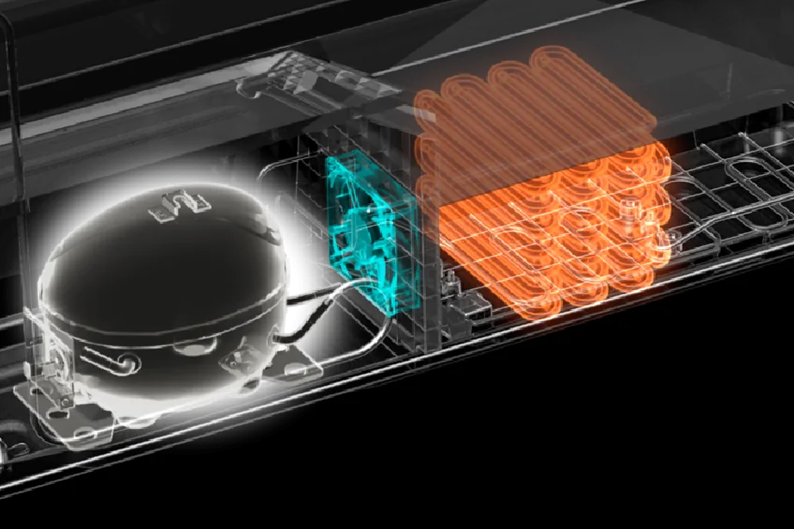
Thermodynamic R&D for Global Climate Classifications
International appliance brands sell products across very different regions, from temperate European zones to harsh tropical climates in Southeast Asia and South America. That means bulk procurement strategies need to favor manufacturers with strong environmental testing capabilities. Household refrigerating appliances may be designed for applicable climate classes ranging from Subnormal (SN) to Tropical (T). Operating a refrigerator at ambient temperatures up to 43°C can require careful heat-dissipation design, while high-humidity conditions may require additional moisture-management measures.
ODM facilities with dedicated thermodynamic laboratories run extensive climatic chamber tests to simulate these extreme operating conditions. That includes checking moisture ingress in high-humidity chambers and running salt spray tests to support exterior cabinet durability in coastal markets. Working with suppliers that pre-engineer platforms for high ambient temperatures helps overseas buyers extend product life and lower compressor failure rates. This underlying technical work lets international brands expand their product portfolios into emerging markets with confidence.
Component Architecture and Global Energy Standards
Beyond basic cooling performance, the global push toward Environmental, Social, and Governance (ESG) compliance has changed B2B procurement criteria. Regulators around the world keep tightening energy efficiency rules, such as the European Union’s revised energy-lable and ecodesign frameork, which introduce the A-G energy-lable scale in 2021 and applies updated ecodesign requirements from 2024 and applicable United States Department of Energy (DOE) standards. Fixed-speed compressor designs may be less suitable for some applications where variable-speed control can improve energy performance and temperature management.
Modern procurement contracts call for variable-speed inverter compressors and smart sensors that adjust cooling output dynamically based on internal load and external ambient temperatures. On top of that, advances in cabinet insulation—like high-density microcellular cyclopentane foaming and Vacuum Insulation Panels (VIP)—maximize internal storage space while keeping thermal loss low. Wholesale buyers count on their manufacturing partners to roll out these material and component innovations at scale. This helps the final exported products achieve competitive energy ratings, a key compliance and sales metric in the destination market.
Institutional Procurement and Large-Volume Customization
While overseas operations focus on integrated ODM collaborations, domestic and regional business models often center on institutional procurement. Commercial real estate developers, hospitality chains, and large residential contractors need standardized refrigeration units in big volumes. Filling these institutional contracts takes a manufacturing partner with high production throughput and streamlined automated assembly lines.
In these bulk wholesale situations, buyers often ask for specific aesthetic and functional changes to match architectural guidelines or corporate branding. Handling these specialized hardware requests takes industrial infrastructure of the kind that manufacturers at Homa Appliances’ scale maintain.That said, keeping factory efficiency at peak levels means custom exterior finishes, specialized interior shelving layouts, and bespoke digital interfaces are reserved for large-volume orders.
MOQ requirements are common in B2B manufacturing and may vary according to customization, production processes, and order volume. Meeting applicable volume thresholds can help manufacturers plan production more efficiently and manage lead times for customized orders.
Quality Assurance and Automated Line Testing
Risk mitigation is a core part of B2B appliance sourcing. Getting a shipment of defective units creates huge logistical and reputational costs for the importing brand. That is why a manufacturer’s internal quality assurance (QA) processes matter just as much as its design and production capabilities. Leading ODM partners run thorough, automated testing at every stage of the assembly line to cut down on human error.
These processes include precision helium leak detection for all sealed refrigerant systems, automated electrical safety tests (Hi-Pot testing), and functional testing under defined conditions can be used to verify cooling performance before final packaging.
In addition, well-established manufacturing facilities keep transparent, data-driven processes that support traceability for every unit produced, and they can support third-party inspections by qualified inspection bodies when required by the buyer or target market. This documented quality-control approach can give wholesale buyers greater confidence that shipped units conform to the agreed operational requirements.
Working through the complexities of global appliance procurement calls for strategic alignment with manufacturers that can deliver advanced thermodynamic engineering, strict compliance with global energy standards, and consistent quality control. By focusing on these core technical and operational metrics instead of basic unit costs, wholesale buyers and international brands can build more resilient supply chains and better manage procurement risks.
Partnering with a manufacturer with established production and R&D capabilities can support product adaptation as environmental requirements evolve.
