Master the Sourcing Trade-Offs with Make Up Packaging Manufacturers: A Comparative Field Guide
Introduction
Night does not hide risk; it sharpens it. In this hour, make up packaging manufacturers balance steel, resin, and time under a hard fluorescent hush. Quotes for makeup packaging wholesale look clean on a screen, yet the floor tells another story—machines cooling, pallets waiting, QA lamps burning bright. Data whispers the rest: double-digit delays when artwork slips, 5–8% reject rates when closure torque drifts, and launch windows closing like iron gates. Will the batch land on-time, or will the hinge creak, the pump sputter, the brand bleed?

This is not doom. It is a mirror. In a market that measures weeks in hours, only clarity keeps you safe. We set the scene because darkness clarifies shape (and cost). The right choice is not the cheapest PO. It is the system behind it—tolerance, traceability, and time-to-correction. Step closer; we will peel back where the real risks hide, then chart what to watch next.
Hidden Friction in “Wholesale” That No One Mentions
Where do the pain points hide?
Wholesale promises speed. The trap is invisible. When you buy fast, you also buy a stack of tiny gaps: tolerance stack-up at the neck, a pump that hits spec in isolation but stalls once the wiper meets lacquer, an anodizing bath that shifts shade by a breath and breaks a Pantone claim. Look, it’s simpler than you think—and messier. MOQ looks kind, yet it often masks mixed tooling ages, pooled resins, and uneven lot traceability. Artwork arrives “final,” but the die-line is legacy, so labels creep on high-speed lines, and the fix adds two weeks, not two hours—funny how that works, right?
People reach for the usual fix: widen spec, pad lead time, throw more QC at it. That helps until it doesn’t. Wider specs protect factories, not finishes. Extra QC finds defects late, not early. And padded lead time becomes the schedule (not a buffer). The cost collects in places you don’t audit: line stoppages during filling, closure torque rechecks, repacking after corner crush, and returns that never make the spreadsheet. The deeper pain is misaligned systems. Injection molding, vacuum metallization, and filling lines behave like a chain. One weak link—surface energy or a vent hole—snaps the promise of “wholesale, fast.”
Comparative Insight: New Principles That Change the Game
What’s Next
The fix is not magic; it is design with feedback. The newer approach leans on clear rules and live data. Digital twins catch tolerance stack-up before steel cuts. Inline vision systems watch gloss and gate vestige instead of waiting for end-of-line rejects. Small edge computing nodes at each press feed the MES, so trends show in hours, not quarters. Even power converters on servo drives report drift, which predicts cap torque slips. If this sounds heavy, it isn’t. It’s a lighter loop that moves fast because signals are short—and local.
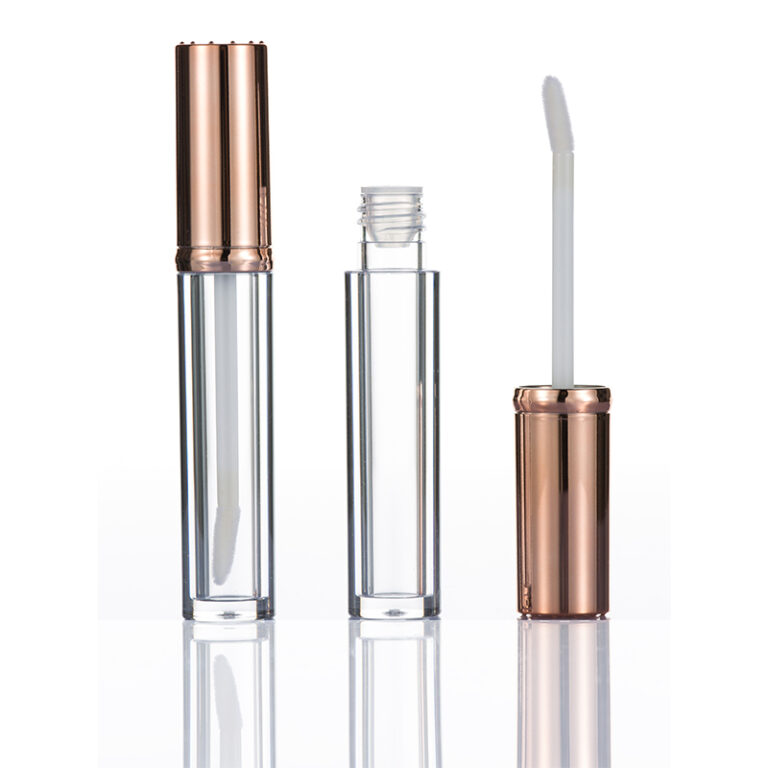
Here’s the comparison that matters when you scan makeup packaging companies: legacy flow versus responsive flow. Legacy flow is batch-and-hope: spec, produce, inspect, ship. Responsive flow is test-and-trim: pilot cavities, micro-runs, feedback, then ramp. In practice, that means early PPAPs tied to real fill tests, tiny color ladders from the anodizing bath, and QR lot traceability that links pump stroke data to field returns. It also means smarter PCR resin planning so warpage stays inside shrink curves. Same molds, same lines—different rules. You get fewer surprises, steadier torque windows, and artwork that lands without a third proof (yes, finally). The future looks less dramatic, more measurable, and oddly calm.
How to Choose: Three Metrics That Keep You Honest
Advisory close—because decisions like clarity. First, correction velocity: measure hours from defect signal to implemented countermeasure on the line. If it’s days, you’ll bleed launches. Second, traceability depth: can the supplier tie a returned compact to cavity ID, resin lot, and line settings without hunting? If not, risk is hiding in plain sight. Third, ramp realism: do they run micro-pilots with real fill, then scale using the same tooling and fixtures? That one metric predicts on-time lands more than price ever will. Hold to these three, and the rest simplifies. The night gets quieter, the math steadier, and teams sleep. For reference and further reading, see NAVI Packaging.